Mogxa (by some pronounced more like “Meau Xi”) is a densely populated subcontinent located in what is today called “Iduria.” Mogxa has historically been home to various centralised empires - the Draconic Empire, the Kobold Throne, and now currently, the Sanitorium. The Mogxan region borders Galae (with which it has a blurry border) to the northwest, the Rubyfirth Bay and Mouth of Mogxa to its west and south.
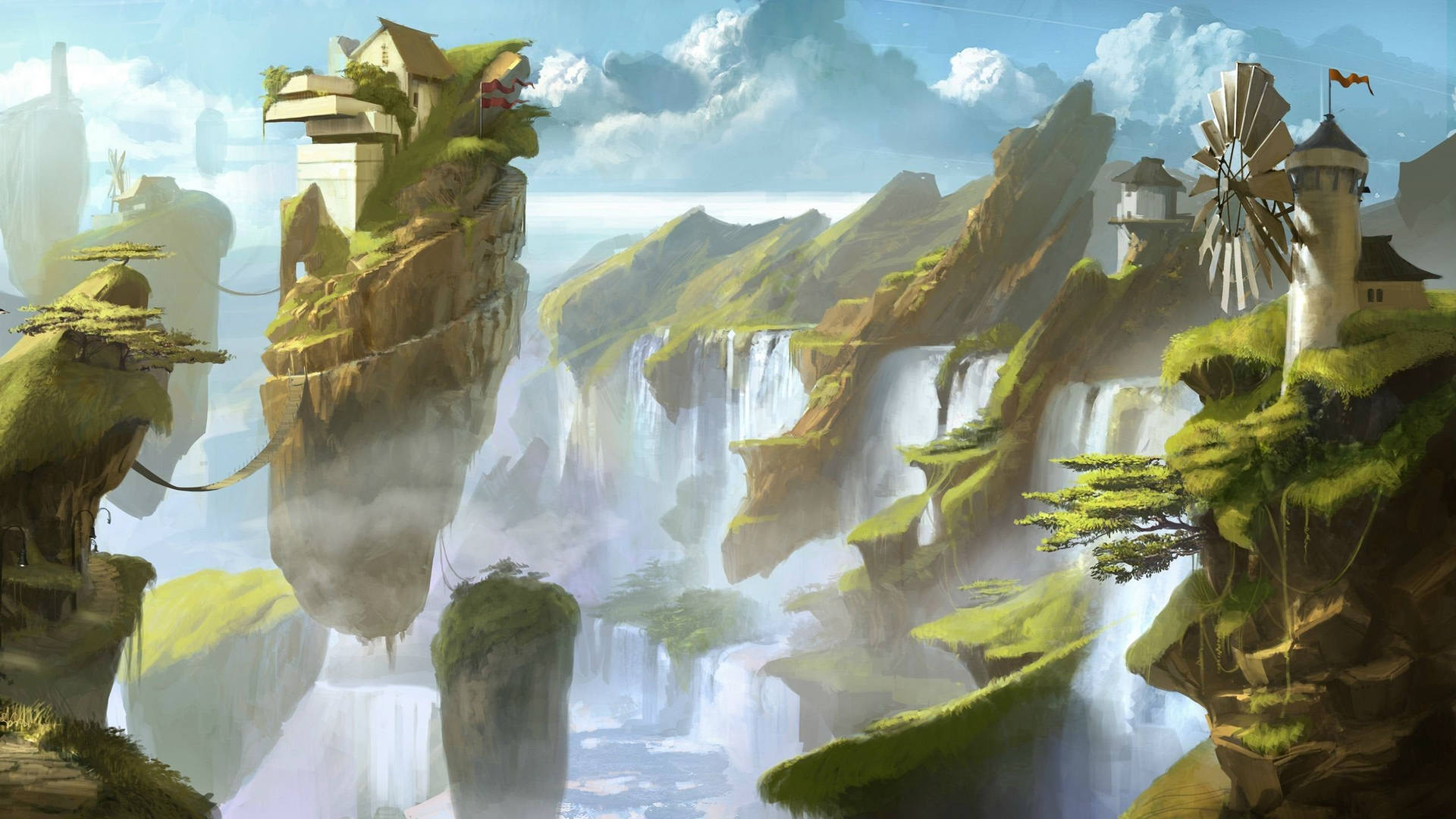
To the north lies the island region of Vilhun, which has inherited a variety of Mogxan culture and has taken in much of its former Dragons, but which is largely shut off to the rest of the world. To the south-east lies the Lorgun islands, which are rarely visited but rely on Mogxa for trade and connectivity to the rest of the world.
Mogxa is dominated by the Sanitorium, the state formed after the War Over Haeven by taking over the Kobold Throne. The Fenruni coast on its north-eastern edge, the Ruby Peninsula to the west and the Galaen border contains many smaller states which serve as Tributaries.
For more in Mogxa, see mogxa
{
	"versionAtEmbed": "0.3.4",
	"filepath": "_admin/Ink/2026.2.17 - 22.36pm.drawing",
	"width": 630,
	"aspectRatio": 1.248761149653122
}
Culture
Besides Humans - Goblins are plentiful common in Mogxa, especially congregated in the cities (such as Philosophia). Kobold are a people atop the social hierarchy, having long sat on the Kobold Throne and staffed administrations and courts even into the Sanitorium’s rule. Most Mogxan Kobolds have retained their draconic look despite the lack of dragons.
Many Vanara communities also exist in Mogxa, having long since migrated to here from the Hightower Civilisation of Galae.
Dragonbloods are technically few in number, but practically makes up one of the most important populations as they frequently hold on to wealth, power and fame inherited from Draconic times (despite the best efforts of those who view them with suspicion). Dragonbloods have often been made subservient to Kobolds, used as labourers and soldiers while Kobolds were to think and give orders. Despite the ongoing formal ban on Titan worship, a significant amount of Orcish holds, as well as integrated urban dwellers, remain in Mogxa.
Mogxa has historically spoken variants of the Draconic Language in its upper echelons and courts due to the rule of Dragons, but has since side-lined it. The language is today mostly just learned by Dragonbloods or Kobolds, usually as part of the Draconic Tribes that attempt to maintain old traditions. Idurian has stayed the court language of Mogxa since their conquest by God-King Idur, and is the language high business and high rank. A number of other Languages also dot the very large and populous region, though it is the lower class common language of Languages that ties together much the common folk.
Geography
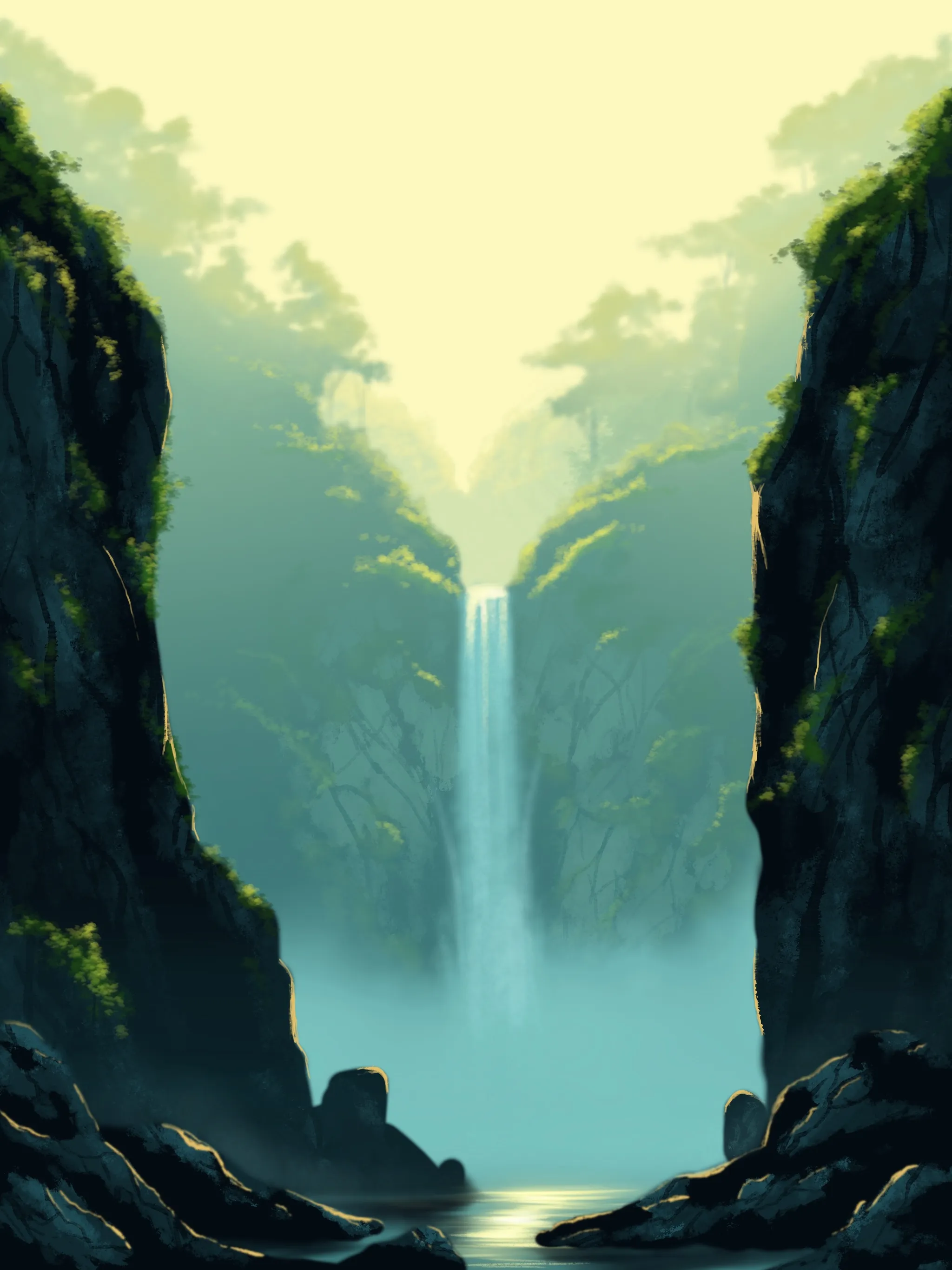
Mogxa is a large and therefore varied region, but has some commonalities. The terrain is characterised by stark differences in elevation, with frequent cliffs and canyons, sometimes combined with heavy vegetation and bodies of water that make traversal outside of the common roads difficult. The central jungle of Mogxa contains some of if not the highest mountains on Vendrith.
Imperial Mogxa
The relatively central strip of Mogxa that runs down the western edge of the Lakes of Life today are known as “Imperial Mogxa.” It has been home to the latest Kobold Dynasty, its Imperial City, the highly productive farmlands around its enormous rivers, and last but not least, the autonomous super-city of Philosophia.
Philosophia is so large and unique it is often necessary to separate it out from the province it exists in in most discussions. See the main article for more.
Mogxan March
The Mogxan March is a strip of land following the road from Central and Imperial Mogxa towards the Guardian Districts and Galae. It is home to the settlements of Houville, Xialrey and Farxeau.
Guardian Districts
The Frontier Armies and Settlements of Mogxa push its influence north-west, into Galae and towards The Scar. Its most important site is the Heavenly Wall city, which guards the Ivory Road, one of only two roads that allow for passage east-west between Mogxa and Galae. It is also home to the Guardian Lake city, and a number of both mobile and more permanent military bases. A grouping of culturally Galaen tribes co-exist with the Mogxans here, occupying the least desired Badlands.
The Guardian Districts is an area that lies to the south of Eastern Galae and has become the furthest west outpost of Mogxan Empire influence. Its most important settlement is the Heavenly Wall, which guards the Mogxan Continent from invasion through the Ivory Road of Galae.
The districts contains a large lake and a mountain range not far from it. It is bordered by the Zardoban Desert to the south. To its northeast is a badlands which various Galaen tribes inhabit - the officials of the Guardian Districts often maintain close eyes on their leaders in order to ensure no invasion comes from there.
Zardoba, Golden Mogxa
The grand city of Zardoba and its surrounding realm has been an autonomous part of Mogxa roughly since the end of the Zardoban Empire. It is a port city that sits on The Rend on the western edge of Mogxa, and has used those seas well for both warfare and commerce. Its governed territories also extend inland along the Silver River and much of the Electrum mountains. It also once stretched further south towards the Tributary Coast, though its territories here have been re-shuffled into other hands.
Zardoba was once known as the “City of Gold.” Due to its strategic position, size and wealth is has been viewed as the only city capable of seriously threatening the Imperial Heartlands of Mogxa, though in practice it has never managed to do this and more recently it has lost much of its influence to corruption.
Zardoba’s north is guarded by an arid desert that few bother to traverse, separating Zardoba from the Frontier Settlements area.
Steppe and Central Mogxa
Stretching east from Galae and through a strip of land in the general northern stretch of Mogxa (though its coast is not included), the Old Steppe was once occupied by nomadic peoples considered part of the Galaen people. A number of Dwarves also made lived here and exchanged with the Galaens, perhaps leading to their minority of Dwarves today. The traditional nomadic population is essentially gone today, though some of its mount-riding techniques live on today with rural Mogxans. Besides the rural Mogxans of this extremely sparse land, there exist a few large and heavily urbanised cities in the few good spots for it - creating a very stark distinction between the cities and the general lands they occupy. These cities and their roads connect all of Mogxa together, especially along the West-East axis.
Central Mogxa is one of the areas of Mogxa, encompassing the settlements of Meizhine, Pezhu, Poli; and sometimes Cavalma depending on whether Steppe Mogxa is considered. It contains a decent amount of relatively flat lands compared to the otherwise extreme terrain of the continent, though is still home to a number of rolling hills, smaller cliffs, caves, smaller lakes and lighter woods.
Central Mogxa is essential for tying together east and west, south and north. To the north is Steppe Mogxa and the Mogxan Shore. To its south is Philosophia and Imperial Mogxa.
Northern Mogxan Shore
The northern shore of Mogxa has long been considered rather unimportant and uneventful, and has been allowed to cultivate a quiet, rural and peaceful culture of fishing. It is also through here all ties and trade with Vilhun pass through, though this has been relatively little in number depending on time period. The Pearl Fortress is an important military installation for the empire however, guarding the northern-most frontier of Mogxa from Cragrock. The islands of Enui have become a site of conflict with Crusaders in recent times.
Lakes of Mogxa
The Lake area of Mogxa make up the region’s northeast. Home to a number of mining operations, it is somewhat more important than the Northern Shore, and is home to a decent number of settlements and historical conflicts. The area is somewhat wild and hard to control however, and has a history of struggling against monsters. It also makes up large part of the border with Fenrunr.
Eastern Mogxa
The east of Mogxa was once its most important lands, only losing influence when the capital moved westward with the Western Kobold Dynasty. The region may be seeing a revival however, as the port city of Singsong has become the primary hub connecting Iduria to Horiza, and is yet growing in importance.
Sergetis
The Sergetine Bay or “Crescent” is the historical home of the Dragons of the Draconic Empire, which is considered either the earliest Mogxan Empire or at least its precursor. Since the Draconic Concordat the region has slowly lost influence, and has seen a large depopulation as the remaining true Dragons left, people move elsewhere in Mogxa, and some have gone to the islands of Lorgun across the ocean to its east. Those who remain are primarily of the Draconic Tribes, which attempt to keep the Dragons’ legacy alive through practicing its language and culture. The western coast of Sergetis makes up only a short sea-trip to the coast of Imperial Mogxa.
Sergetis once constituted a much larger mass of land in its southern tip, though the Sinking of Sergetis saw much of it disappear into the sea. This is often considered a Disaster of the Silence.
Shengi Break
The Shenghi Lakes, also known as the Lakes of Life, are a set of lakes, and a surrounding jungle that is extremely dense, dangerous and inhospitable, which sits on an enormously elevated plateau. The mountains and plateau are called the Shenghi Mountains. It is completely impassable terrain for anyone but the most dedicated of small-group explorers, and thus has served as a natural barrier separating Eastern Mogxa from what today is Imperial Mogxa. Back when the east and Sergethine parts of the Mogxan Empires constituted its heartland, the Lakes of Life allowed for the concentration of defence in the north if push came to shove, a line which few hostile armies managed to cross.
The Old Tributaries
History
To be detailed:
- Flock of Man, Founding of Philosophia
- Draconic Empire
- First Kobold Dynasty
- Eastern Kobold Dynasty
- Early Western Kobold Dynasty
- Idurian Interregnum
- Late Western Kobold Dynasty
- Modern Philosophia
- War Over Haeven and destruction of the Rainbow Bridge
- Founding of the Sanitorium
- Sanitine Wars
- Adventurer Crisis
- Rise of Singsong and reinforced Sanitorium
Notes
Mogxa is inspired by imperial China and France, and especially since the birth of the Sanitorium - revolutionary France. Some amount of Italian or other romance inspirations can be pulled in in small parts. China is already a large enough pool of inspiration, and probably should actually be narrowed down to a specific dynastic era or two to help focus -Ilija.
Zardoba exchanges much of the French inspiration of Mogxa in favour of Spanish and Portuguese ones -Ilija